Archive for 2018

Is Keratoconus Curable?

Wednesday, October 31st, 2018

Keratoconus is a degenerative disease that affects the cornea, or the transparent covering of the eye. Instead of maintaining a round shape, corneas affected by keratoconus thin and bulge, developing a distorted conical shape. This distortion prevents light entering the eye from focusing properly on the retina, resulting in significant visual impairment. What’s more: keratoconus can make it difficult to comfortably wear certain types of rigid contact lenses to correct vision.

Patients diagnosed with keratoconus have asked our team at Bochner Eye Institute whether the disease is curable. While a definitive cure for keratoconus has not yet been determined, our eye doctors are at the forefront of treatments to manage the disease and stave off vision loss. We are widely known throughout North America for our expertise; in fact, we established the first keratoconus clinic in Canada in 2008. Read on as we explain how we can prevent vision loss to keratoconus. (more…)

Corneal PhotoVitrification (CPV)

Monday, October 22nd, 2018


Dr. Samuel Markowitz, a specialist in Low Vision Rehabilitation and our associate and collaborator offered the following with regards to our common experience with Clear K CPV:

Corneal PhotoVitrification (CPV) is the latest of promising therapies approved recently in Canada suitable for application in cases with dry AMD. CPV is in essence a corneal photorefractive procedure which results in structural changes in the superficial cornea which in turn redirect light passing thru the cornea towards the peripheral retina. In essence the net result of the procedure is similar to the effect of prisms on incoming light into the retina. The wavefront aberrations profile of the cornea following CPV is best described as dominated by a quadrafoil pattern which can be recorded with corneal topography. Each of the 4 quadrants of the pattern produces a prismatic effect on incoming light towards the periphery of the retina.

This technology embraces the modern understanding of residual visual abilities in those who lost central vision due to disease and the ensuing rehabilitation process. Modern low vision rehabilitation in the event of macular vision loss is based on identification of Preferred Retinal Loci present on the retina and attempts to redirect the incoming light into the eye towards the existing PRL. There is a long time honored experience in this aspect. It was and is still based on eye movement training and also on use of prisms to redirect light to PRLs. Results from this methodology of treatments are published in the literature and proved to be beneficial in improving vision in those who lost macular vision. CPV is another development in the same methodology which included training of eye movements and use of prisms. It also shows already same benefits as proven in the past with eye training methods and prisms.

In Toronto, we have experience up to date with about 20 cases (about 35 eyes) which were treated with CPV. About 18 patients saw an improvement in visual functions and noted improvements in various activities of daily living and expressed various degrees of satisfaction following the treatment. 2 cases saw no vision related improvements after treatment. There were no downward side effects following the treatment.

Given that there are no other treatments today for dry AMD, our preliminary conclusion is that CPV offers a significant benefit to those treated translated easily in significant improvements in quality of life. Also with the advent of newer technologies it has to be emphasized that CPV is not applied to and not structurally affecting the retinal tissue.


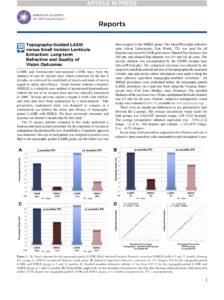
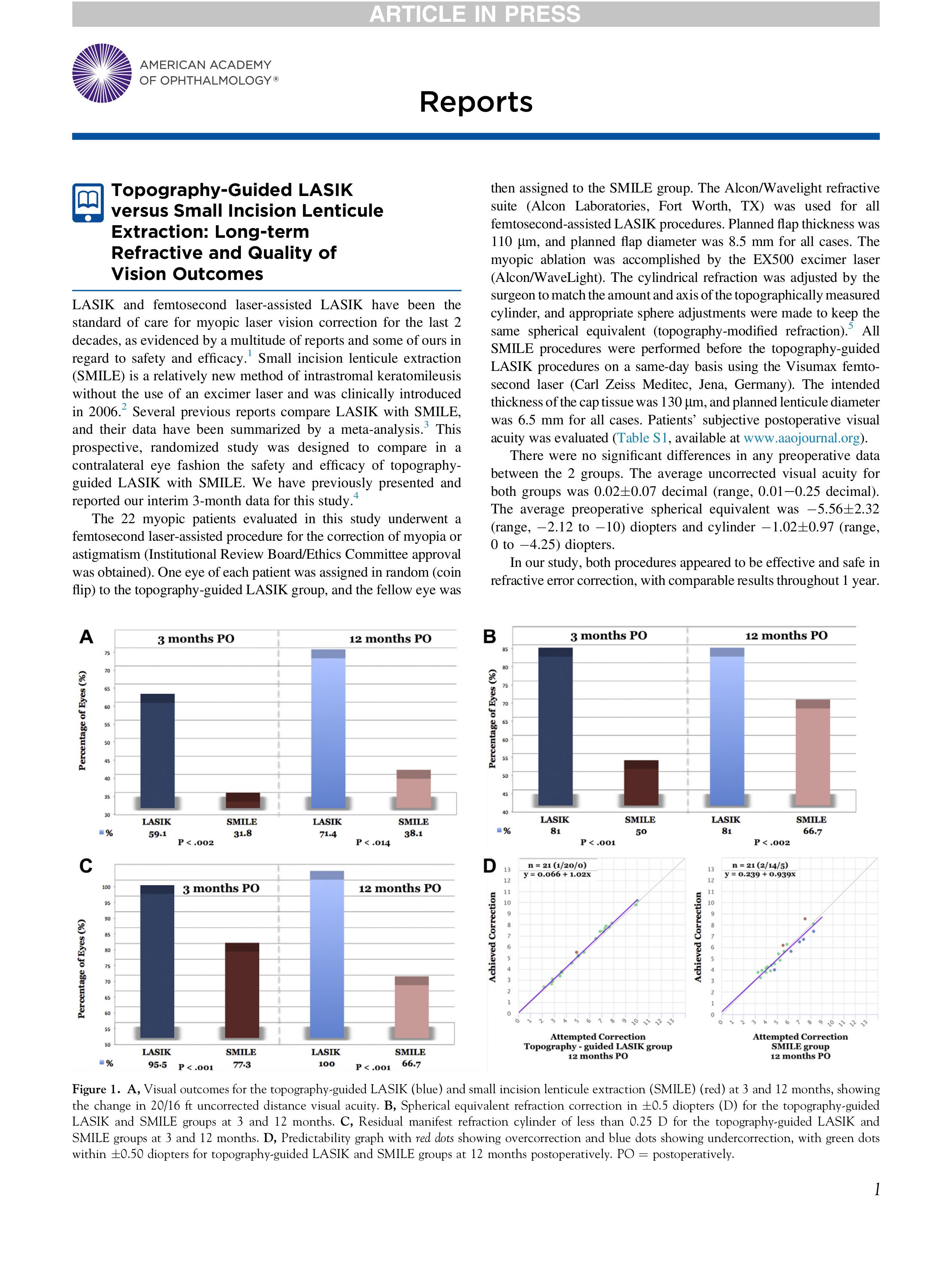
Topography-Guided LASIK versus Small Incision Lenticule Extraction: Long-term Refractive and Quality of Vision Outcomes

Monday, October 15th, 2018


Author: Anastasios John Kanelopoulos, MD

September Newsletter 2018

Wednesday, September 26th, 2018

89 Years of Continued Care

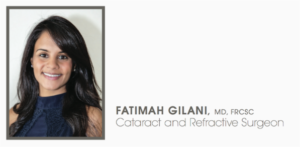
The Bochner Eye Institute was founded in 1929 by Dr Maxwell Bochner, a caring, compassionate, and highly respected ophthalmologist. Dr Harold Stein joined Dr Bochner in 1958, and Dr Albert Cheskes in 1966. Dr Raymond Stein became active staff in 1988 and Dr Fatimah Gilani become part of the team in 2017. Dr Rebecca Stein is a senior ophthalmology resident at Univeristy of Toronto and will be the 4th generation ophthalmologist at Bochner. This will be a first in North America with four generations of ophthalmologists.

Link to Bochner History

Ontario Optometric Association (OOA) in Toronto, June 2018

The Bochner Eye Institute was founded in 1929 by Dr Maxwell Bochner, a caring, compassionate, and highly respected ophthalmologist. Dr Harold Stein joined Dr Bochner in 1958, and Dr Albert Cheskes in 1966. Dr Raymond Stein became active staff in 1988 and Dr Fatimah Gilani become part of the team in 2017. Dr Rebecca Stein is a senior ophthalmology resident at Univeristy of Toronto and will be the 4th generation ophthalmologist at Bochner. This will be a first in North America with four generations of ophthalmologists.

Bio of Dr Fatimah Gilani

World Ophthalmology Congress (WOC) in Barcelona, June 2018

Dr Raymond Stein was an invited speaker to the WOC to discuss his techniques and outcomes with Topography-guided PRK and crosslinking. The technique allows for improving best-corrected acuity over corneal crosslinking alone, so patients may wear glasses or soft contact lenses. The goal is to reduce irregular astigmatism and prevent progressive ectasia.

Article on TG-PRK by Dr Stein
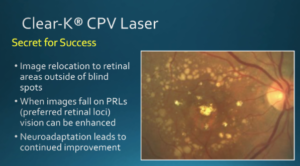

Canadian Ophthalmology Society (COS) in Toronto, June 2018

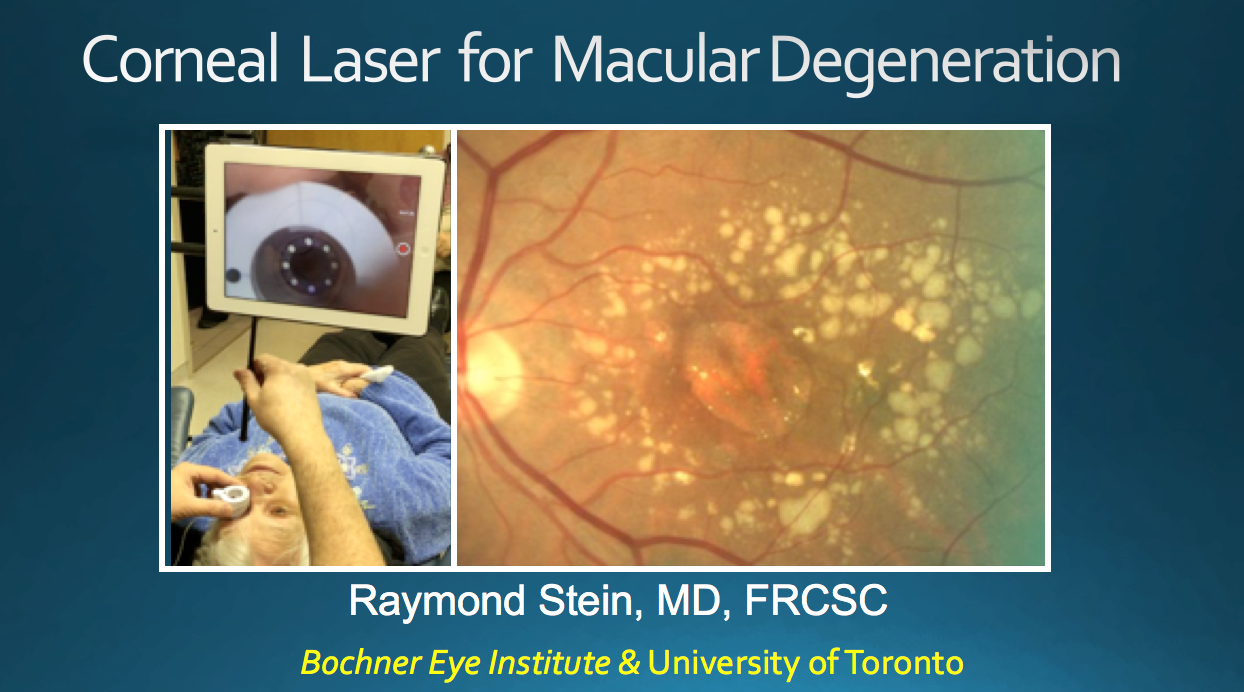
Dr Raymond Stein was a guest speaker at the COS meeting in Toronto on June 2, 2018 to discuss the new technique and outcomes of Clear-K® CPV laser for dry age-related macular degeneration (AMD). This technology is now approved by Health Canada. Bochner becomes the first centre in North America to offer this innovative technology. We are currently accepting referrals for patients with dry AMD with best-corrected acuity between 20/60 and 20/800.

Info on Clear-K®CPV for AMD
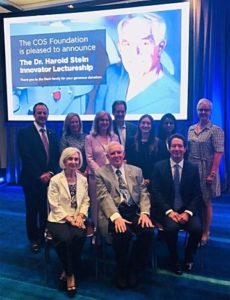

Dr Harold Stein Innovators Lecture June 2018

The Canadian Ophthalmological Society (COS) established the Dr Harold Stein Innovators Lecture as an annual lecture. This year the lecture was delivered by Dr Soosan Jacob of India who discussed her ophthalmic surgical techniques that have resulted in improved patient outcomes.This is the first named lecture at the COS main meeting and was attended by Dr Harold Stein and family.

Innovators Lecture, Canadian Ophthalmological Society
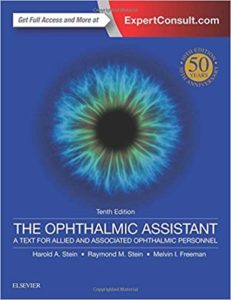

Best Selling Textbook in Ophthalmology

The 10th Edition of the Ophthalmic Assistant, written by Drs Harold Stein, Raymond Stein, and Melvin Freeman, has been recognized by Amazon as the “Best Selling Book in Ophthalmology”. We are very proud that our textbook is being used around the world to train doctors, technicians, and staff in the field of ophthalmology.

Amazon Best Selling Book
Does LASIK Last Forever?

Monday, September 10th, 2018

Maintaining realistic expectations of LASIK outcomes is crucial to ensuring the overall experience is successful. It is reasonable to expect that vision will be clearer and crisper after surgery than before. However, it is not realistic to expect to be completely free of glasses or contacts forever. Read on as the team at Bochner Eye Institute clarifies what this means. (more…)

Canadian Ophthalmological Society – Dr. Stein Guest Speaker

Saturday, June 23rd, 2018

Dr Raymond Stein was an invited guest speaker to the Canadian Ophthalmological Society annual meeting in Toronto on June 2, 2018 to discuss a new Corneal Laser for Age-related Macular Degeneration (AMD). This low energy laser has recently been approved by Health Canada. The Bochner Eye Institute becomes the first approved centre in North America to use this innovative technology. The laser alters the cornea to redirect light to the back of the eye to a location outside of the blind spot. Clinical outcomes have been positive in terms of improved vision and enhancement of quality of life.


Winnipeg Sun Article | 17 Feb 2018

Tuesday, March 13th, 2018

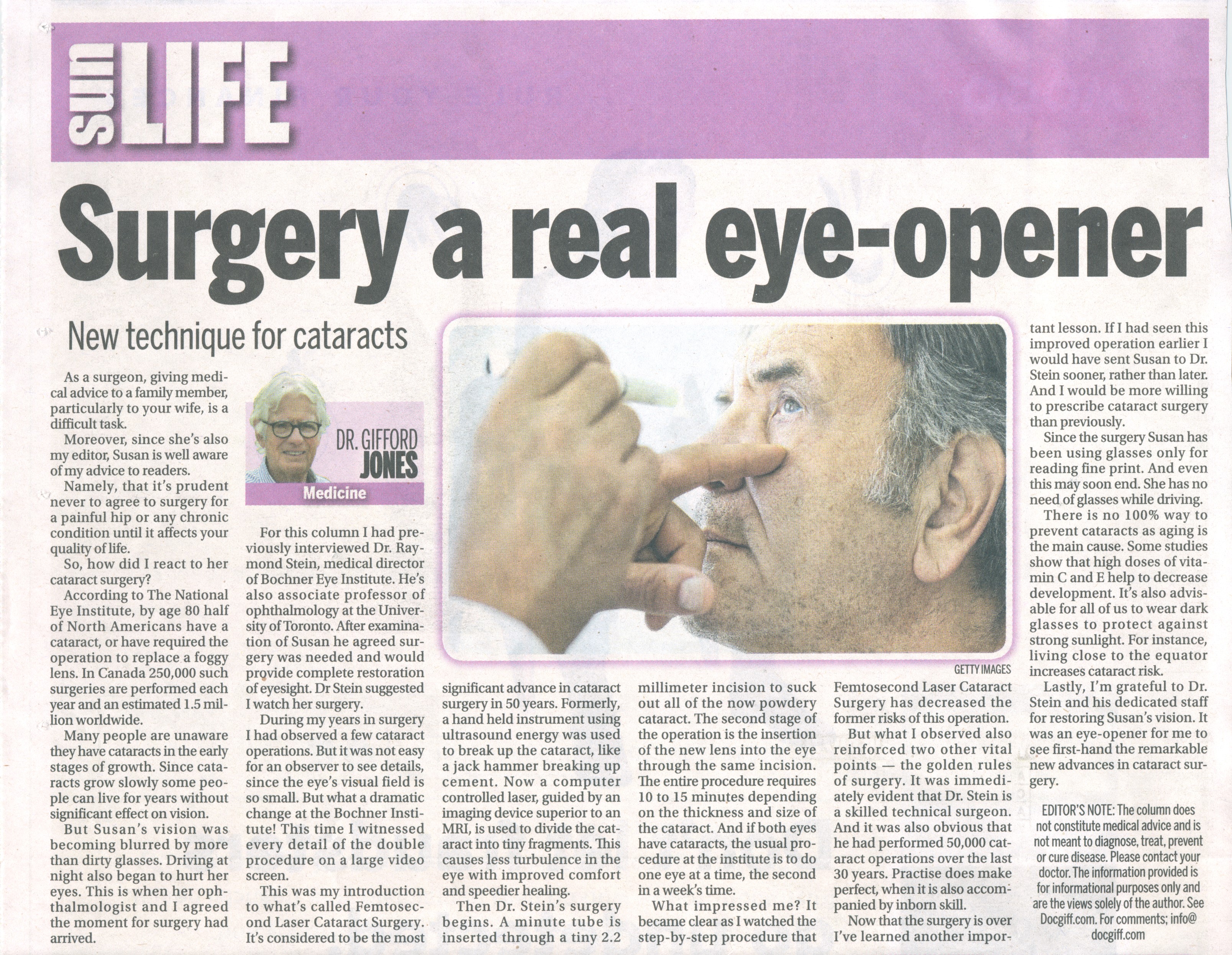
Surgery a real eye-opener

New technique for cataracts
Winnipeg Sun – 17 Feb 2018 – DR. GIFFORD JONES

As a surgeon, giving medical advice to a family member, particularly to your wife, is a difficult task.

Moreover, since she’s also my editor, Susan is well aware of my advice to readers.

Namely, that it’s prudent never to agree to surgery for a painful hip or any chronic condition until it affects your quality of life.

So, how did I react to her cataract surgery?

Read full article here.