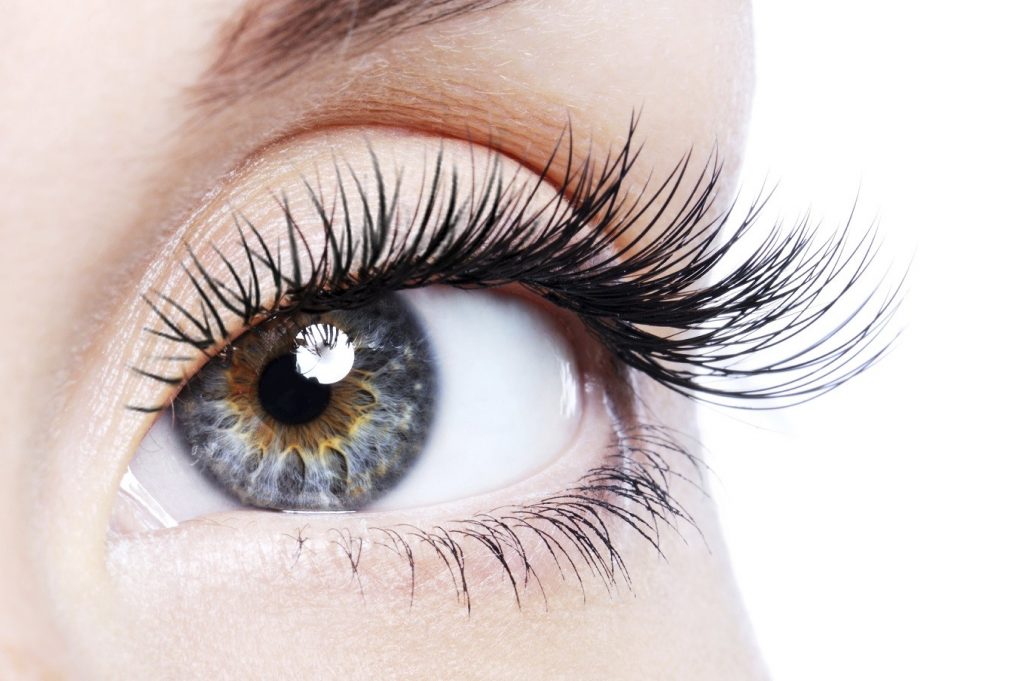
Why Now Is a Smart Time for LASIK

December 1st, 2020

Is there a best time to consider LASIK? When it comes to your age, there are times in your life when laser vision correction is the most appropriate. But in general, there has never been a better time for most adults to liberate themselves from lenses, prescriptions and the significant costs of eyewear.

Below, experienced Toronto ophthalmologist Dr. Raymond Stein of Bochner Eye Institute discusses the key variables you’ll want to consider to ensure your new lens-free life is perfectly timed.

Vision Through the Ages

In our early to mid-20s, our eyes continue to change before settling on a more stable range of vision. That is why LASIK is not recommended for persons under 18 — and why patients under 30 should also consider waiting if their prescription has changed within the past year. If LASIK is performed while your vision is still maturing, you may need a revision at a later date. 

Otherwise, you are an excellent candidate for LASIK if you are in good health, have a stable prescription, and do not suffer from an eye condition that could affect an ophthalmologist’s ability to reshape the cornea.

If the eye’s lens is clear, LASIK can be an appropriate choice for seniors, as well. If cataracts have begun to develop, however, a better option may be cataract surgery with implantation of an advanced IOL lens. New varieties of these lenses now offer trifocal vision and feature an artificial lens that will remain clear for life.

Time to Discover LASIK

Once you choose laser vision correction, there’s no time like the present to start benefiting from the technology. LASIK provides a high-definition view of the world with a whole new dimension in clarity. After the simple and convenient procedure, your field of vision is wide open, without the visual intrusion of eyewear. You’ll enjoy the convenience and freedom of unlimited peripheral vision, unframed by frames.

Freedom from lenses also means substantial cost savings. With today’s economic uncertainties, many of us have decided that now is a smart time to reduce our personal expenses. LASIK savings begin immediately and grow over the years. Prescription lenses with frames can cost hundreds of dollars. If your prescription changes frequently, or if you simply have a habit of misplacing or cracking your glasses, the expense will be substantial.

Costs for contact lenses add up quickly, too. Depending on the recommended frequency of disposal, you may pay up to several hundred dollars each year for fresh lenses. Contacts that correct for astigmatism will be more expensive. During your regular eye exam, you will also pay extra for an additional contact lens fitting. LASIK eliminates all of these future expenses.

To learn more about LASIK, please call or email Bochner Eye Institute today.
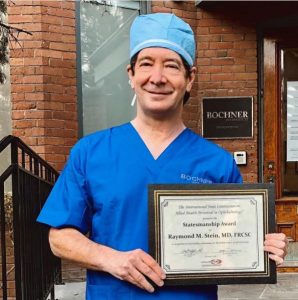
Dr. Stein awarded the IJCAPO Statesmanship Award

November 23rd, 2020
dr raymond stein award

The International Joint Commission on Allied Health Personnel in Ophthalmology (IJCAPO) in St Paul, Minnesota, awarded the coveted Statesmanship Award to Dr. Raymond Stein, Medical Director of The Bochner Eye Institute.

This is the highest level award from IJCAPO, given to one individual each year. The awardee is selected by Past Presidents and the Board of Directors in recognition of the candidate’s efforts to promote ophthalmic education internationally. Dr. Stein was recognized for his extensive lecturing, continual sharing of innovations and proven techniques, and authorship of text books and scientific/ophthalmic articles. ⁣

What Is Life Like With Cataracts?

September 30th, 2020

Cataracts are a nearly unavoidable part of getting older. A cataract is a clouding of the eye’s lens that occurs when the proteins that make up the lens clump together. In the early stages of a cataract, it may have little effect on vision. But as a cataract progresses, the visual effects will become nearly impossible to ignore.
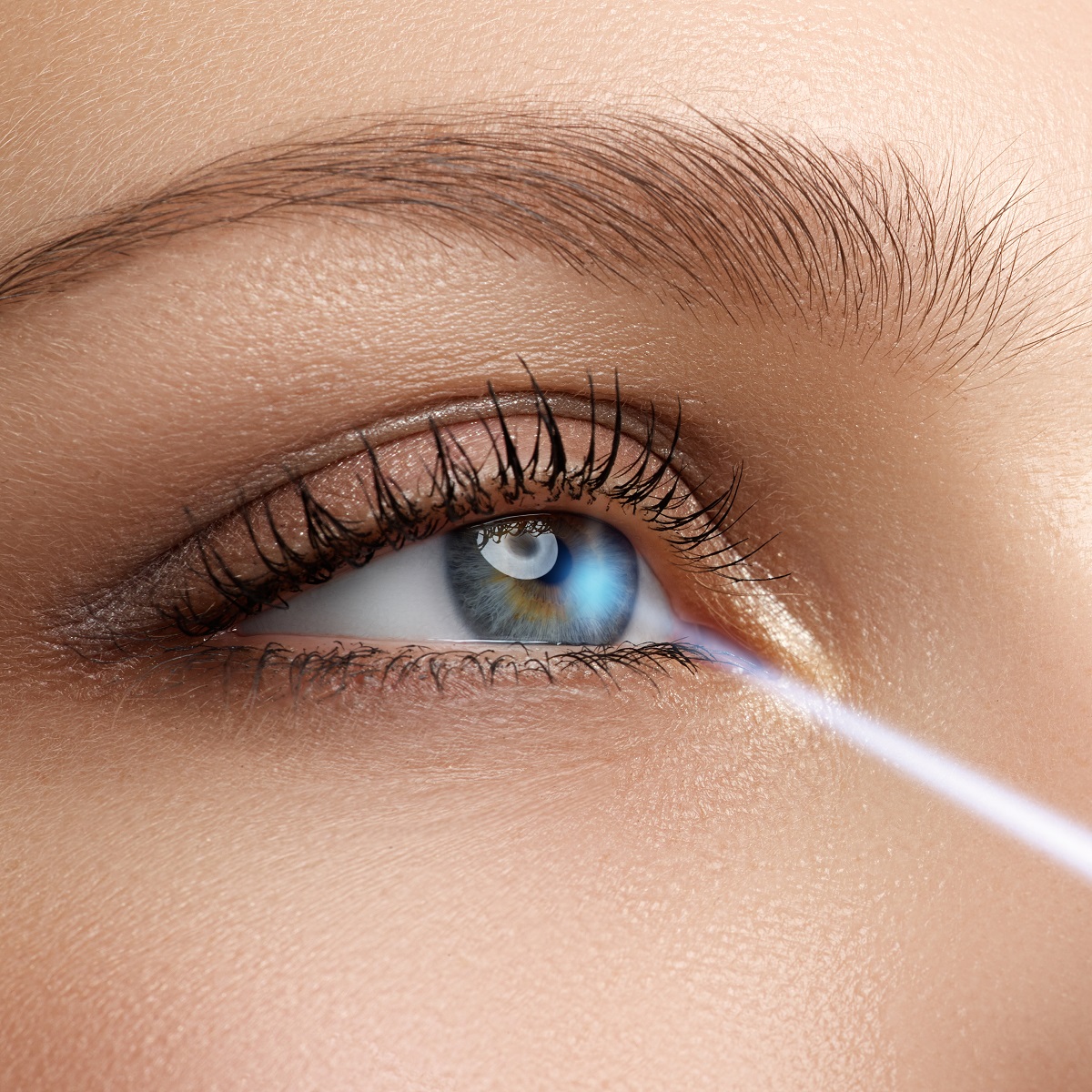

Read on as Dr. Raymond Stein of Bochner Eye Institute explains what life is like with cataracts.

Declining Ability To Read Small Text

Cataracts cause blurry or cloudy vision, which makes it hard to see fine details. In the early stages of a cataract, a person may notice he or she needs brighter light to read a newspaper or magazine. But as the cataract gets bigger, it may be challenging to read small text no matter how bright the room is. A decline in the ability to read fine print can impact many basic tasks, such as checking the time, reading an expiration date, typing out a text or using a computer.

Difficulty Driving at Night

A decline in night vision is common with cataracts. Glare, halos and starbursts around lights can interfere with reading road signs or noticing other cars or pedestrians. In fact, some people with cataracts opt not to drive at night at all because of concerns about safety.

Colors Appear Dull or Faded

Cataracts can cause colors to appear dull, faded or yellowish. This may make getting dressed or discerning between ripe or rotten produce tough.

Frequent Changes in Vision Prescription

When the effects of cataracts first become apparent, a person may assume he or she needs stronger glasses. But after repeated prescription changes in a relatively short amount of time, it may become apparent that cataracts — not the glasses — are the problem.

Inability To Enjoy Hobbies or Exercise

Because of blurry vision, dull or faded colors and other effects of cataracts, some people lose their ability to enjoy hobbies and exercise. Cooking, baking, golfing or even taking a leisurely walk outside is less pleasurable when faced with the symptoms of cataracts. Hobbies like sewing, photography and fishing can actually become more of a burden than a joy with diminished vision.

Improve Vision With Cataract Surgery

Are cataracts interfering with your ability to live an active, independent lifestyle? Cataract surgery can help. The procedure is extremely safe and routine, with a high success rate. Your eyes will be completely numbed and you will receive additional medication to help you relax during the procedure. Your clouded lens will be removed and replaced with an artificial lens to restore clear vision and even improve upon the vision you had before cataracts. Thanks to cataract surgery, you can look forward to reading, driving, exercising and enjoying your favorite hobbies again, without relying on loved ones for help.

To speak with Dr. Stein and the team at Bochner Eye Institute about cataract surgery, please contact us today.

Femtosecond Laser Online

June 30th, 2020

PanOptix Trifocal Lens Exchange Toronto

May 27th, 2020

Refractive Lens Exchange replaces the crystalline lens of the eye with an intraocular lens. This procedure is recommended over laser eye surgery when patients desire improvements in distance and reading vision, have early cataracts or have a high degree of nearsightedness or farsightedness.

Grand Rounds – LASIK Myths

February 11th, 2020

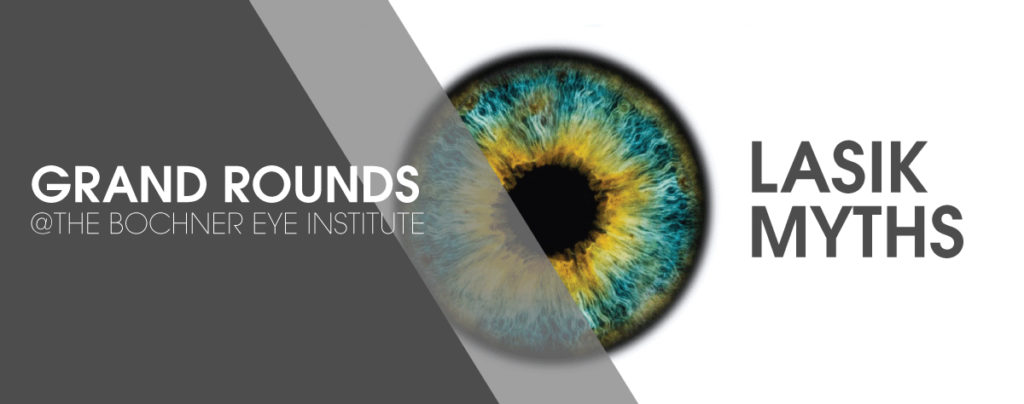
Lasik Myths


Case

A 28 year-old male was referred because of sterile infiltrates and peripheral pannus formation of 1-2 mm of both corneas. He was a long-term soft contact lens wearer, frequently slept in his lenses, and did not use a disinfectant. We instructed him to discontinue his contact lenses and prescribed a course of a topical steroid. The corneal infiltrates gradually resolved.

Read the rest of this entry »

Reasons Why LASIK Is a Better Vision Correction Solution than Contacts

December 24th, 2019

If you need vision correction, the thought of laser eye surgery may be intimidating. You might worry about the procedure’s cost or the risks involved, and these factors may lead you to believe that contacts are the better solution.

However, there are notable downsides to wearing contact lenses, and LASIK offers several advantages, including the convenience and freedom of no longer needing to rely on a vision correction device.

Below, Dr. Raymond Stein of Bochner Eye Institute talks more about why LASIK is a better solution than contacts. Read the rest of this entry »

What Matters Most When Choosing a LASIK Surgeon?

May 21st, 2019

Selecting your LASIK surgeon After making the decision to have laser vision correction, the most important choice you will make is the surgeon you select to perform your procedure. The search for the right surgeon can be overwhelming if you don’t know what you’re looking for. To help guide you in the right direction, leading LASIK surgeon Raymond Stein of Bochner Eye Institute shares his thoughts on choosing a LASIK provider. Read the rest of this entry »

Cloudy Vision after Cataracts

April 23rd, 2019

Blurred Vision after Cataract SurgeryA common question that Dr. Raymond Stein of Bochner Eye Institute receives from cataract surgery patients is whether cataracts can “grow back” after surgery. Cataracts cannot, in fact, grow back after surgery. Once they are removed, they are gone for good.

However, in rare cases, patients who have their vision restored with cataract surgery may notice a regression in their eyesight that is similar to what they experienced with cataracts. This decline is due to a condition known as secondary cataracts; and luckily, it is easily treated. Read the rest of this entry »

5 Reasons to Have LASIK in 2019

January 13th, 2019

What is the Purpose of LASIK?Do you struggle with the challenges of a refractive error and the restrictions of glasses or contact lenses, yet find yourself on the fence about having LASIK?

Bochner Eye Institute understands that the idea of having laser eye surgery to improve vision makes some people uncomfortable. However, we want you to know the truth about LASIK: the short, virtually painless procedure can give you the freedom and joy of clear, crisp vision and a glasses- and contacts-free lifestyle!

If you need more motivation to consider your options, read on as we share five reasons to consider having LASIK in 2019. Read the rest of this entry »