
When cataracts develop, images progressively become duller and hazier. Colors fade and vision slowly dims. These effects have real consequences for the quality of life and safety of individuals whose cataracts have become advanced.
Although the effects are the same, the types of cataracts that precipitate this visual decline vary. Here, experienced Toronto ophthalmologist Dr. Raymond Stein of Bochner Eye Institute reviews the fundamental causes and effects.
Classifying Cataracts
Cataracts occur when the lens becomes cloudy, obscuring the image it projects on the retina. This process can begin in our 60s, and becomes more common with each passing year.
The most common type of cataract follows this age-related pattern, and is referred to as a nuclear sclerotic cataract. With this variety of cataract, the central part of the lens (nucleus) hardens and gradually becomes yellow or brown. Cortical cataracts, by contrast, form around the edges of the lens nucleus. When the clouding begins at the back of the lens, the result is a posterior capsular cataract.
Congenital cataracts are less common, and are usually detected during a child’s first year. Medications or diseases such as glaucoma and diabetes can cause a type of cataracts referred to as secondary cataracts. Injury to the eye sometimes results in traumatic cataracts, which may appear years after the initial impact or injury. Radiation cataracts can develop in cancer patients who are receiving radiation treatment.
A Proven Solution
In each case, the solution is the same: cataract surgery, a simple, convenient and routine procedure. Millions of cataract surgeries are performed each year. In this procedure, the clouded lens is removed and replaced with a lens implant that will remain clear for life. Originally performed with the use of a miniature blade, cataract removal is now done using a femtosecond laser to make incisions.
As a premier eye surgeon, Dr. Stein performs advanced cataract surgical procedures for patients in Toronto and throughout Ontario. He also offers state-of-the-art intraocular lenses that will replace your natural lens with a permanent, resilient artificial version that, depending on your choice, can give you superb vision at a variety of distances.
To learn more about cataracts, please call or email Bochner Eye Institute today.
 Cataracts are a nearly unavoidable part of getting older. A cataract is a clouding of the eye’s lens that occurs when the proteins that make up the lens clump together. In the early stages of a cataract, it may have little effect on vision. But as a cataract progresses, the visual effects will become nearly impossible to ignore.
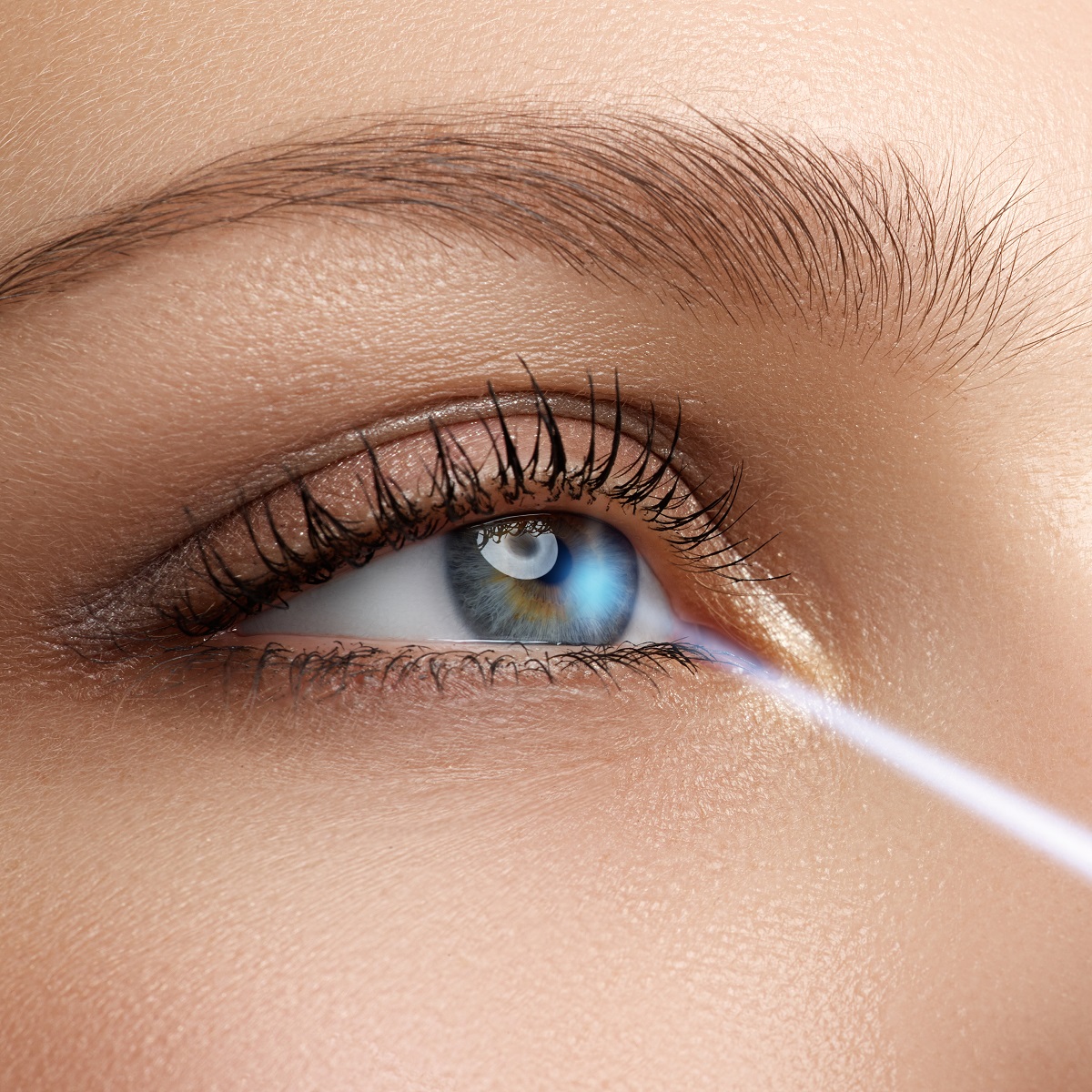
 After making the decision to have laser vision correction, the most important choice you will make is the surgeon you select to perform your procedure. The search for the right surgeon can be overwhelming if you don’t know what you’re looking for. To help guide you in the right direction, leading LASIK surgeon Raymond Stein of Bochner Eye Institute shares his thoughts on choosing a LASIK provider.
  A common question that Dr. Raymond Stein of